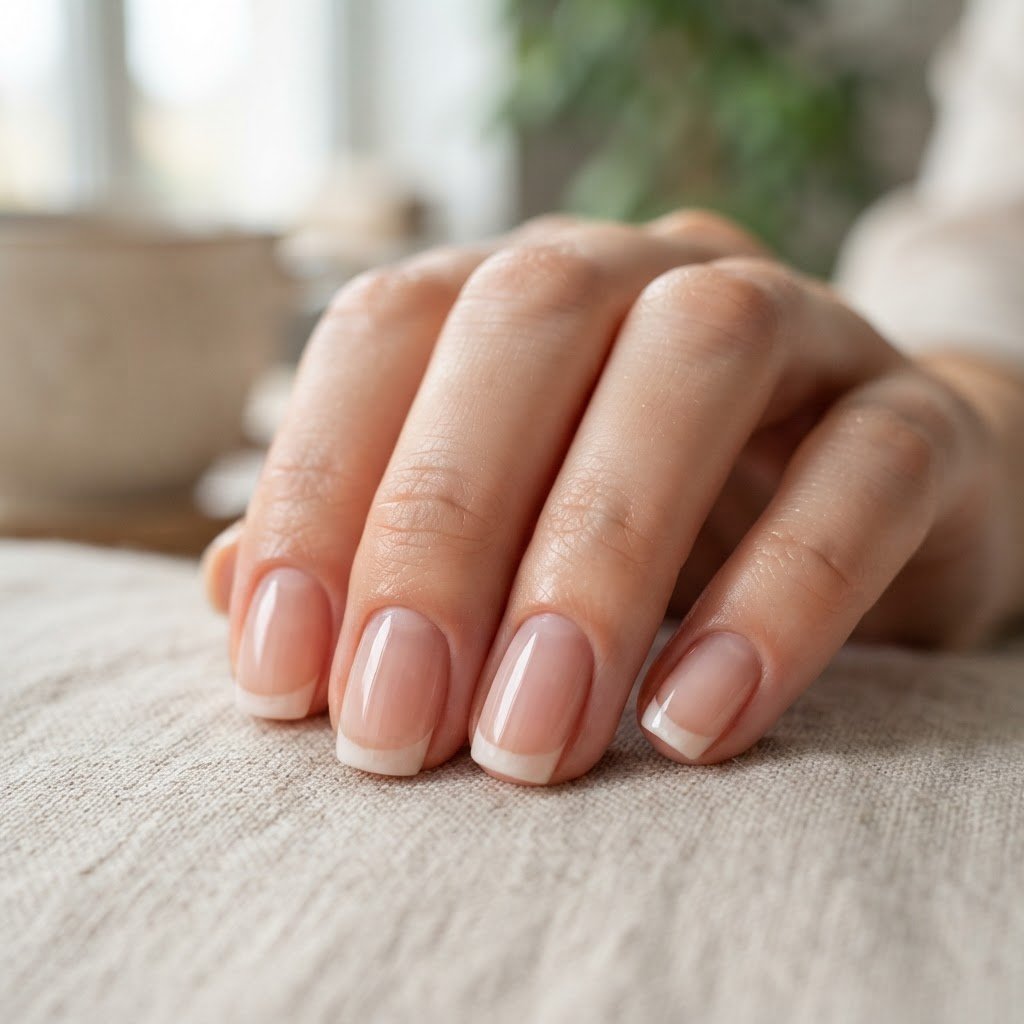
Learning how to fix damaged nails involves a combination of intense hydration, protective habits, and nutritional support to repair the keratin structure. By committing to a consistent routine that includes daily cuticle oil application, limiting chemical exposure, and utilizing strengthening treatments, you can restore your nails’ natural resilience and shine within a few weeks of dedicated care.
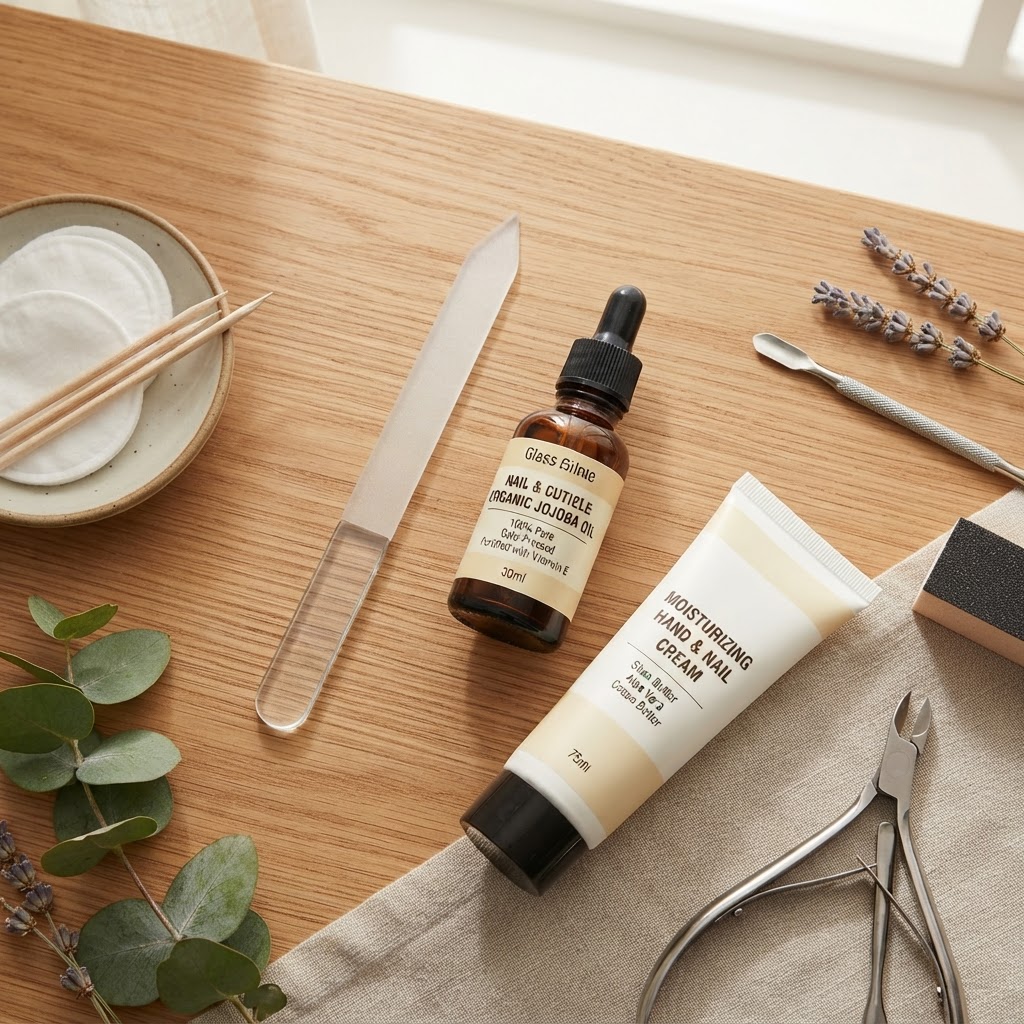
## Assess Your Nail Damage Before attempting any treatment, it is essential to understand the specific type of damage your nails are facing. Common issues include vertical ridging, white spots, peeling layers, or extreme brittleness often caused by over-exposure to gel polish or harsh detergents. To properly understand how to fix damaged nails, you must differentiate between physical trauma and nutritional deficiencies. If your nails are peeling at the tips, it is likely a moisture issue, whereas overall softness may indicate systemic health concerns. ## The Importance of Deep Hydration Consistent moisture is the single most important factor when learning how to fix damaged nails. The nail plate is porous, acting like a sponge that loses water easily, leading to brittleness and breakage. Applying a high-quality, jojoba-based cuticle oil at least twice daily creates a protective barrier that seals in moisture. This simple step is more effective than most expensive salon treatments because it maintains the flexibility of the nail bed, preventing the snap-back effect that occurs when dry nails hit hard surfaces. ### Why Jojoba Oil Wins Experts consistently recommend jojoba oil because its molecular structure is the closest natural match to our skin’s own sebum. This allows for deep penetration into the nail matrix rather than just sitting on the surface. For best results, massage the oil into the surrounding skin and the base of the nail to stimulate blood flow and healthy growth. ## Eliminate Chemical Exposure Prolonged contact with harsh chemicals is a primary culprit behind many nail problems. Acetone-based removers are notorious for stripping away essential oils and hardening the nail plate, making it brittle over time. When you decide how to fix damaged nails, switching to an acetone-free, non-drying remover is a mandatory first step. Additionally, always wear gloves when washing dishes or using household cleaners, as frequent immersion in water causes the nail to expand and contract, eventually causing layers to lift and peel.
## Nutritional Support for Growth Healthy nails start from the inside out. While topical treatments provide immediate aid, long-term repair requires adequate protein, biotin, and collagen intake. Your nails are made of layers of keratin, a protein that requires a steady supply of nutrients to regenerate. Incorporating salmon, nuts, seeds, and leafy greens into your diet provides the building blocks for stronger, more flexible nails. If your diet is lacking, consult a professional about whether a supplement might help speed up the regeneration process during your recovery phase. ## Comparison of Nail Treatment Methods | Treatment Type | Best For | Recovery Time | | — | — | — | | Cuticle Oil | Daily Maintenance | 2-4 Weeks | | Biotin Supplements | Deep Structural Repair | 3-6 Months | | Keratin Hardener | Immediate Protection | Instant | | Paraffin Wax Bath | Extreme Dryness | Weekly Treatment | ## The Protective Buffer Technique Protecting your nails during the transition period is vital to prevent further breakage. When you learn how to fix damaged nails, you must treat your nails as tools that require protection rather than instruments to be used for scraping or prying. Keep your nails filed to a shorter length during the healing process to minimize the surface area prone to catching on fabrics or objects. Use a glass or crystal nail file rather than a traditional emery board, as the fine grit creates a smoother edge that does not fray the keratin layers.
## FAQ ### How long does it take to fix damaged nails? Recovery typically takes between three to six months, which is the time required for a full nail to grow from the cuticle to the free edge. ### Can I still wear polish while healing my nails? It is generally recommended to avoid colored polish during the initial recovery phase, though a breathable, strengthening base coat can provide a necessary protective layer. ### Why do my nails peel in layers? Peeling is usually a sign of dehydration or excessive water exposure, which weakens the bonds between the keratin layers of your nails. ### Is biting my nails causing the damage? Yes, nail biting causes physical micro-trauma and introduces bacteria, which severely disrupts the natural nail growth cycle and weakens the nail structure significantly. ## Conclusion Taking the time to properly repair your nails is an investment in your personal care routine. By understanding how to fix damaged nails through a combination of hydration, environmental protection, and patience, you can transform weak, peeling nails into a strong, healthy foundation. Stay consistent with your oiling routine and keep your hands protected from chemicals for the best results.

Leave a Reply