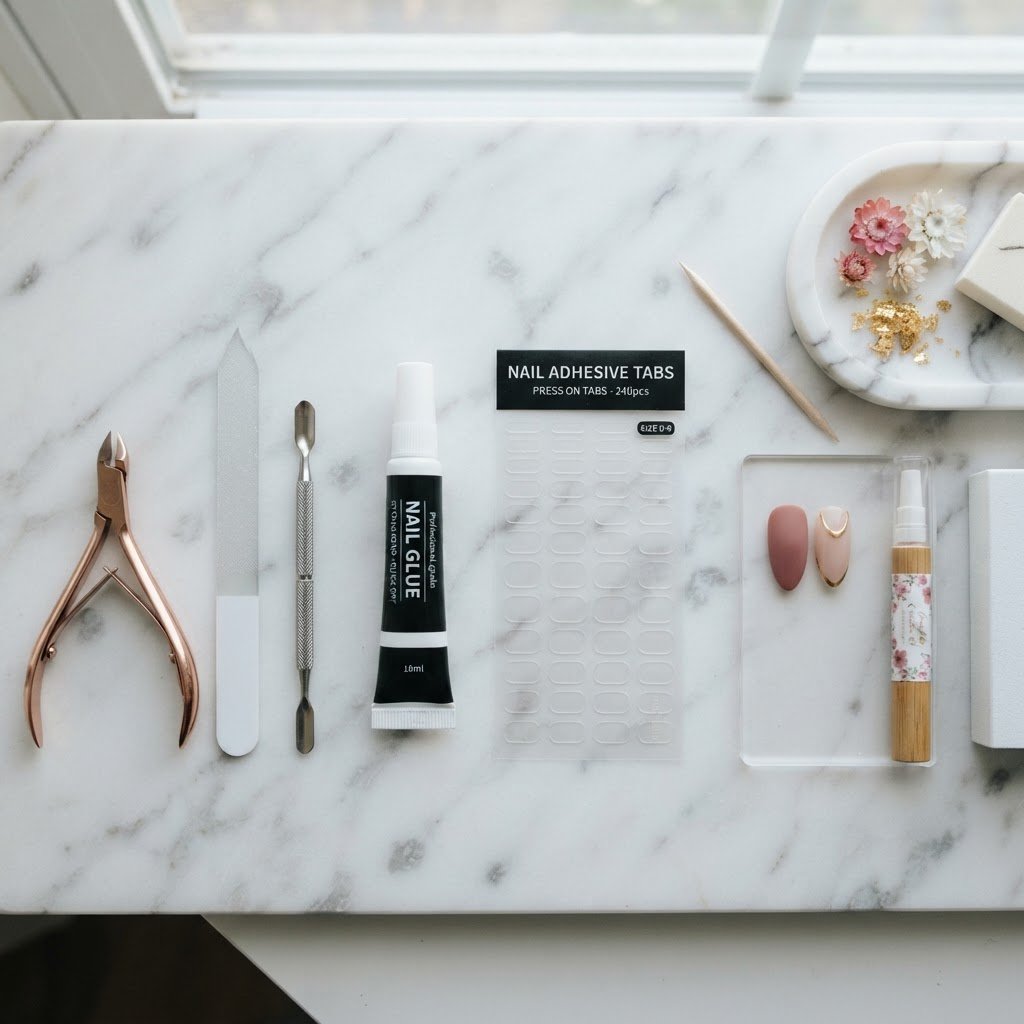
Choosing between glue vs sticky tabs for press-on nails depends entirely on how long you intend to wear your manicure and your personal lifestyle. If you want a long-term wear of up to two weeks, nail glue is the superior choice. However, if you prefer a temporary look for a weekend or event, sticky tabs offer damage-free, easy removal without compromising your natural nails. Understanding the strengths of each method is key to a perfect application.
Understanding Nail Glue for Press-Ons
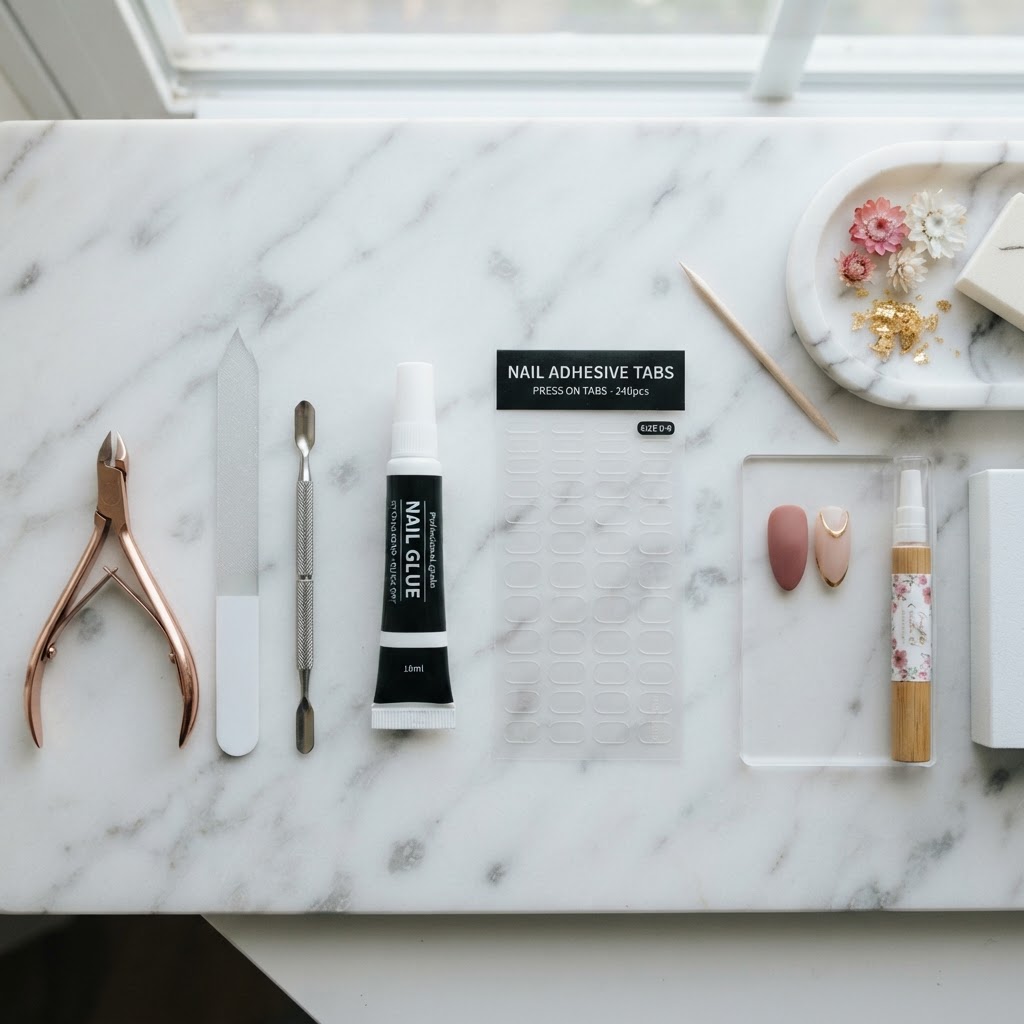
Nail glue acts as a powerful adhesive that bonds the press-on plastic directly to your nail plate for maximum durability. When considering glue vs sticky tabs for press-on nails, glue is the industry standard for those seeking a rock-solid, salon-like finish that resists daily wear and tear. Because the adhesive hardens as it dries, it fills in tiny gaps between your natural nail and the false nail, creating a vacuum seal that prevents moisture and debris from entering underneath the extension. This makes glue ideal for individuals with busy lifestyles who need their manicure to survive typing, gym sessions, and frequent hand washing. Proper application is essential, though; you must ensure the surface is properly dehydrated with alcohol first to prevent premature lifting or bacterial growth under the nail. Once applied, you can expect these nails to remain securely in place for ten to fourteen days, depending on your natural nail growth cycle.
The Benefits of Using Sticky Tabs
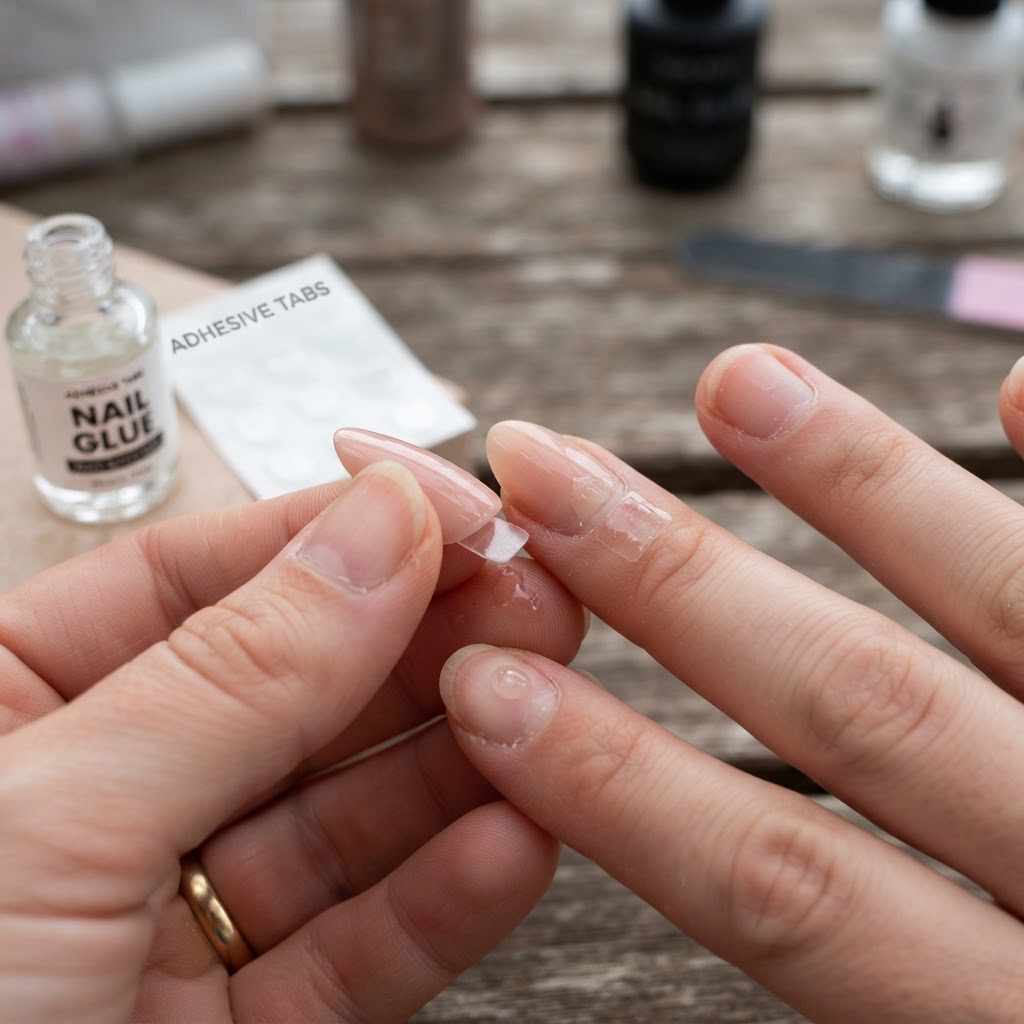
Sticky tabs, also known as adhesive gel pads, offer a flexible, non-damaging alternative for temporary nail enhancements. These double-sided, pressure-sensitive stickers provide a cushioned bond that is far gentler on your natural nail surface than liquid glue. Because sticky tabs do not involve chemical solvents, they are the best option for people who like to change their nail color frequently or have sensitive nail beds. Applying them is remarkably simple; you just peel off the backing, press the tab onto your natural nail, and snap the press-on into place. While they do not provide the same bulletproof hold as traditional glue, they are perfectly sufficient for events, photoshoots, or a short weekend outing. Many users appreciate that sticky tabs allow for easy repositioning if a nail is applied slightly crooked, a luxury not afforded by the instant bond of traditional liquid adhesives.
Comparing Durability and Lifestyle Needs
When weighing the options, it is important to look at how each adhesive handles stress. Glue creates a chemical bond that is rigid, whereas sticky tabs are pliable and move with the nail. If you work in a career that involves frequent use of your hands, such as nursing or manual labor, glue is significantly more reliable. If you are a fashion enthusiast who switches sets for different outfits, sticky tabs prevent the “glue buildup” that can make natural nails look thick and textured over time.
How to Apply Press-On Nails Effectively
Regardless of which adhesive you choose, the preparation phase is the most critical step for success. Start by pushing back your cuticles and buffing the surface of your natural nails to remove the shine and create “tooth” for the adhesive. Next, cleanse every single nail with a lint-free wipe saturated in 90% isopropyl alcohol to eliminate natural oils and moisture. If you are using glue, apply a thin layer to your natural nail and a small drop to the back of the press-on, then hold it at a 45-degree angle to minimize air bubbles. If you are using sticky tabs, apply the tab to the nail and press firmly for 30 seconds to activate the heat-sensitive adhesive. Always avoid getting your hands wet for at least two hours after your manicure to ensure the bond fully cures.
Comparison: Glue vs Sticky Tabs Performance
The Removal Process Demystified
Safely removing your press-ons is just as important as the application process to maintain natural nail health. For nails applied with glue, you should never pull or pry them off, as this rips off layers of your natural nail plate. Instead, soak your nails in a bowl of warm, soapy water mixed with cuticle oil for 15-20 minutes until the adhesive begins to soften. You can also use an acetone-based remover if you do not plan to reuse the press-ons. In contrast, sticky tabs are designed for gentle removal. You simply need to apply a small amount of cuticle oil or warm water around the edges, and the tabs will lose their stickiness, allowing you to lift the press-on away from your nail without leaving a residue behind.
FAQ
Can I use glue and sticky tabs together?
Yes, many users use a “hybrid” method by applying a sticky tab to the nail and a small dot of glue at the cuticle line for extra security, though this makes removal more difficult.
Will nail glue ruin my natural nails?
Nail glue itself is safe, but improper removal is what causes damage. Always dissolve the bond rather than ripping the nails off to protect your natural nail bed.
How often should I let my nails breathe?
If you wear press-ons continuously, take a 24-hour break between sets to apply cuticle oil and allow the natural nail to rehydrate and recover from adhesive exposure.
Which method is better for beginners?
Sticky tabs are significantly better for beginners because they allow for corrections, require no messy liquid application, and provide instant results without the risk of accidentally gluing skin to nails.
Conclusion
Choosing between glue vs sticky tabs for press-on nails ultimately comes down to your personal commitment to the manicure duration. If you are looking for a long-lasting, durable finish that mimics a professional gel manicure, nail glue remains the superior choice for most users. If you value nail health, convenience, and the ability to swap designs frequently, sticky tabs are an excellent tool to keep in your beauty kit. By properly prepping your natural nails and understanding the specific removal requirements of your chosen adhesive, you can enjoy professional-looking DIY nails that cater to your specific lifestyle needs and fashion preferences.
Leave a Reply